
Indoor vs Outdoor Fires: Safety Tips Every Homeowner Should Know
Indoor and outdoor fires remain an important part of many households, whether for heating, cooking, or simply creating a comfortable atmosphere. They can bring warmth and convenience, but they also introduce real risks if they are not managed correctly. Understanding how to use them safely is essential for every homeowner, especially in environments where seasonal dryness or wind can increase fire hazards.
In many homes, especially those that rely on wood-burning fireplaces or braais, fuel choice and storage play a major role in safety. Something as simple as sourcing the right materials, such as quality firewood options, can influence how cleanly and safely a fire burns. Poor-quality or damp wood can produce excessive smoke, sparks, or unpredictable flames.
This article explores the key differences between indoor and outdoor fires, highlights essential safety practices, and provides practical guidance to reduce risk while still enjoying the benefits of controlled fire use in and around the home.
Understanding how fire behaves in different environments is not just about comfort—it is about preventing accidents, protecting property, and ensuring the wellbeing of everyone in the household.
Understanding the difference between indoor and outdoor fires
Indoor fires are typically contained within a fireplace, wood-burning stove, or enclosed heating system. These environments are designed to manage heat output and control smoke ventilation through chimneys or flues. Because they are enclosed, indoor fires demand strict attention to airflow, maintenance, and fuel quality.
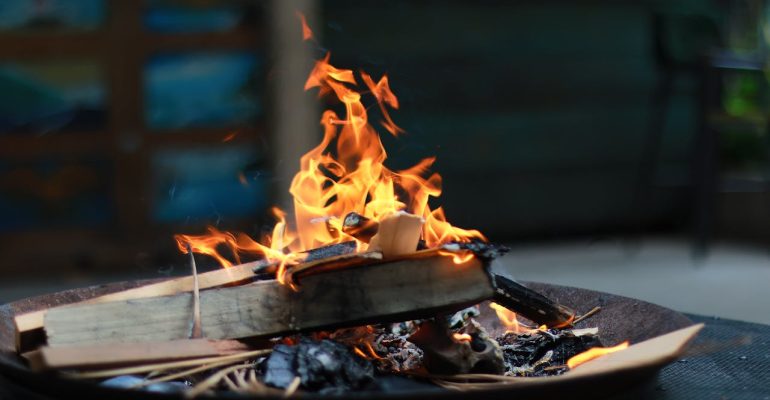
Outdoor fires, on the other hand, are exposed to natural elements like wind, humidity, and open air circulation. Braais, fire pits, and open cooking fires behave differently because there is less structural control over flame direction and intensity. While they may seem more forgiving, outdoor fires can spread unpredictably if conditions change suddenly.
The key difference lies in containment. Indoor fires depend on engineered systems for safety, while outdoor fires rely heavily on environmental awareness and user discipline.
Both require responsible handling, but the risks manifest in different ways. Indoor fires carry a higher risk of smoke buildup and carbon monoxide exposure if ventilation is poor. Outdoor fires are more vulnerable to spreading embers, wind shifts, and uncontrolled ignition of surrounding materials.
Understanding these differences is the foundation of safe fire use in any home.
Indoor fire safety essentials for homeowners
Indoor fire safety begins long before the fire is lit. The condition of the fireplace or stove plays a major role in preventing hazards. Regular chimney cleaning is essential to avoid soot buildup, which can increase the risk of chimney fires.
Ventilation is equally important. A properly functioning flue ensures that smoke and gases exit the home efficiently. Without it, indoor air quality can deteriorate quickly, creating health risks.
Fuel selection is another critical factor. Dry, seasoned wood burns more cleanly and produces less creosote buildup in chimneys. Moist or treated wood should generally be avoided indoors, as it can release harmful fumes.
It is also important to maintain a safe distance between the fire and any flammable materials such as curtains, furniture, or decorative items. Even small sparks can cause damage if the surrounding area is not properly cleared.
For added safety, homeowners should consider the following precautions:
- Install and regularly test smoke detectors near living areas and sleeping spaces
- Keep a fire extinguisher or fire blanket accessible in the home
- Never leave an indoor fire unattended, even for short periods
- Ensure children and pets are supervised around active fireplaces or stoves
These measures significantly reduce risk and create a safer environment for everyday use.
Outdoor fire safety considerations
Outdoor fires may feel more relaxed, but they require just as much responsibility as indoor fires, if not more in certain conditions. Wind is one of the most important factors to monitor. Even a mild breeze can carry embers beyond the fire pit and ignite nearby vegetation or structures.
The placement of the fire is equally important. Outdoor fires should always be kept at a safe distance from buildings, fences, overhanging trees, and dry grass. A cleared perimeter helps contain accidental spread.
Weather conditions should always be checked before lighting any outdoor fire. Dry, windy days significantly increase risk and may even come with local fire restrictions in some areas.
When preparing for an outdoor fire, it is wise to think ahead about fuel quality and storage. Damp or inconsistent wood can lead to unpredictable flames and excess smoke, which reduces visibility and increases discomfort for those nearby. Many homeowners prefer sourcing consistent supplies such as firewood for sale Cape Town options to ensure more reliable burning performance during outdoor use.
Fire supervision is essential. Even a small outdoor flame can escalate quickly if left unattended. Having a method to extinguish the fire nearby—such as water, sand, or a fire extinguisher—adds an important layer of protection.
Choosing and storing firewood safely
The type and condition of firewood directly influence how safely a fire burns, both indoors and outdoors. Properly dried and stored wood reduces smoke, burns more efficiently, and produces a more predictable flame.
Moisture content is one of the most important factors. Wet wood tends to smoulder rather than burn cleanly, which can lead to excess smoke and residue buildup in chimneys or fire pits.
Storage also plays a key role. Firewood should be kept off the ground and covered in a way that allows airflow. Poor storage conditions can lead to mould, insects, and dampness, all of which affect burn quality.
When selecting firewood, homeowners should prioritise consistency, dryness, and suitability for the intended use. This is especially important when sourcing firewood for sale in Cape Town, where seasonal humidity and weather conditions can affect wood quality if not properly dried and stored.
Here are some practical storage guidelines:
- Stack wood in a raised, ventilated area to prevent moisture absorption
- Keep covered but allow airflow to avoid trapping dampness
- Separate older wood from newly delivered stock to ensure proper rotation
- Avoid storing large quantities indoors for long periods due to pest and moisture risks
Good firewood management is often overlooked, but it plays a direct role in safety and efficiency.
Common mistakes that increase fire risk
Many fire-related incidents in homes occur due to simple, preventable mistakes. One of the most common is overloading a fireplace or fire pit. Adding too much wood at once can cause excessive heat buildup and unstable flames.
Another frequent issue is neglecting maintenance. Chimneys, flues, and fire pits require regular cleaning to remove ash, soot, and residue. When this step is ignored, the risk of blockages and uncontrolled ignition increases.
Improper ignition methods also contribute to fire hazards. Accelerants such as petrol or chemical starters should never be used in enclosed or poorly ventilated spaces, as they can cause sudden flare-ups.
Other mistakes include:
- Leaving fires unattended, even briefly
- Ignoring weather changes during outdoor burning
- Burning inappropriate materials such as treated wood or waste products
- Placing furniture or decorations too close to heat sources
Each of these actions increases the likelihood of accidents and can turn a controlled fire into a dangerous situation very quickly.
Awareness and routine care are the most effective ways to prevent these problems.
Practical tips for safer fire use year-round
Safe fire use is not limited to a single season. Whether during colder months indoors or social gatherings outdoors, consistent habits make a significant difference in reducing risk.
Start by building a routine for inspection. Checking fireplaces, fire pits, and storage areas regularly helps identify small issues before they become larger problems. Cracks, blockages, or damp fuel should be addressed promptly.
Fire supervision should always be a priority. Even well-managed fires can behave unpredictably under changing conditions, so staying attentive is essential.
It is also helpful to maintain clear communication among household members. Everyone should understand basic fire safety practices, including how to respond in case of an emergency.
Temperature control is another overlooked aspect. Allowing a fire to become too large does not improve efficiency and often increases risk instead. Controlled, steady flames are safer and more effective.
Finally, environmental awareness should guide all fire-related decisions. Wind, humidity, and surrounding vegetation all play a role in how safely a fire behaves.
When handled responsibly, fires can remain a practical and enjoyable part of home life. The key lies in preparation, awareness, and consistent attention to safety at every stage.