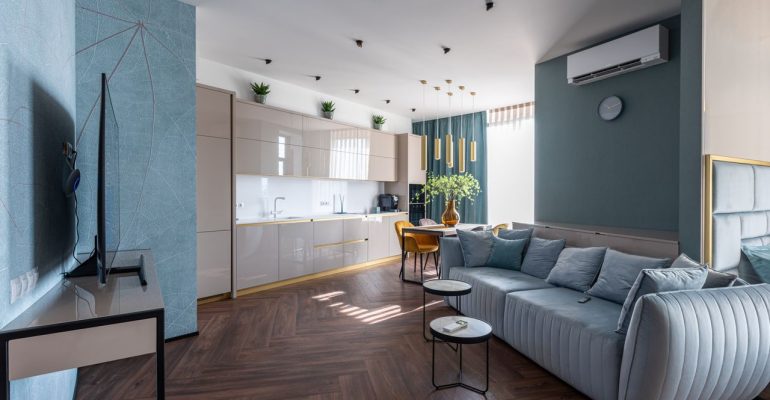
Choosing the right accommodation can have a significant effect on how comfortable and convenient a holiday feels. While hotels remain a familiar option, apartments can provide a different style of stay that works well for travellers with varied needs, schedules and priorities. Having more space and access to practical facilities can make an apartment feel less restrictive, particularly when a trip lasts several days.
Different holidays also call for different approaches to accommodation. A short city break may involve spending most of the day exploring, while a family holiday could require more room, flexible meal arrangements and somewhere to relax between activities. For travellers staying longer, practical features such as a kitchen and separate living areas can become even more useful. This is one reason holiday apartments Cape Town options can appeal to a broad range of visitors.
An apartment does not necessarily mean sacrificing convenience. Depending on the property, guests may have access to furnished living spaces, cooking facilities, bedrooms with greater separation and other amenities designed for independent stays. The suitability of an apartment ultimately depends on the type of holiday, the people travelling and the facilities available at the chosen property.
Apartments Can Work Well for City Breaks
City breaks often involve a busy schedule. Travellers may spend their mornings visiting attractions, their afternoons exploring neighbourhoods and their evenings trying restaurants or attending events. Accommodation therefore needs to provide a comfortable place to return to without making the overall trip unnecessarily complicated.
An apartment can provide a useful balance between being close to the action and having a private space to unwind. Instead of spending the entire stay within a single room, guests may have a living area where they can sit, read or plan the next day’s activities.
This can be particularly useful when travelling with another person. Having separate areas may make it easier for each guest to maintain some personal space, especially during longer city stays.
Apartments can also suit travellers who prefer flexibility. Rather than following hotel dining schedules, guests with suitable facilities may be able to prepare breakfast or a simple meal according to their own timetable.
Family Holidays May Benefit from Additional Space
Families often have different accommodation requirements from solo travellers or couples. Parents may need practical space for children, while everyone may appreciate an environment where they can relax after a day of sightseeing.
An apartment can provide separate sleeping and living areas, depending on its layout. This arrangement can make evenings easier because one part of the accommodation can remain available for relaxing while other guests settle down for the night.
Families may also benefit from having access to a kitchen. Preparing some meals at the accommodation can provide an alternative to eating out for every meal. It can also be convenient when family members have different preferences or meal schedules.
When comparing properties, families can consider:
- Number and arrangement of bedrooms
- Kitchen and dining facilities
- Bathroom arrangements
- Laundry availability
- Location and access to nearby services
The goal is not simply to find the largest property. A practical layout and suitable facilities can be more important than overall size.
Longer Holidays Can Make Apartment Facilities More Valuable
The advantages of an apartment can become more noticeable as the length of a holiday increases. During a one-night stay, guests may not use many of the facilities available. Over a week or more, however, everyday conveniences can become much more relevant.
Having a kitchen can reduce the need to eat at restaurants for every meal. A living area can provide a more comfortable setting for spending a quiet afternoon. Laundry facilities, where available, can also be useful when travellers are packing for an extended trip.
Longer stays can benefit from a sense of routine. Travellers can explore during the day while still having an accommodation space that supports ordinary activities such as preparing food, relaxing and organising belongings.
This can be particularly helpful for visitors who do not want every part of their holiday to follow a fixed schedule.
Couples Can Choose Apartments for a More Flexible Stay
Couples may choose apartment accommodation for many different types of trips, including romantic breaks, sightseeing holidays and longer visits. The appeal can come from having a private environment that offers more than a conventional sleeping area.
An apartment can provide a comfortable base for starting and ending the day. After spending several hours exploring, guests may prefer to have a separate place to sit and relax rather than remaining in bed or in a single hotel room.
For couples planning a longer holiday, an apartment may also make it easier to combine restaurant meals with simple meals prepared at the accommodation. This flexibility allows the couple to decide how much of each day should be spent dining out.
The location still matters. An attractive apartment that is inconveniently positioned may add unnecessary travel time, so proximity to planned activities, public transport, restaurants and shops should form part of the decision.
Solo Travellers Can Benefit from Practical Accommodation
Solo travellers have different priorities, but convenience and comfort are often important. An apartment can provide a private base without requiring the traveller to spend all their downtime in one room.
Having a small living area and kitchen may also make a longer solo trip feel more practical. The traveller can choose when to cook, rest or head out again without being tied to a particular schedule.
Safety and location should be considered carefully. Travellers should look at the surrounding area, access arrangements and the property’s stated security features before booking. Clear information about check-in procedures and the availability of assistance can also be useful.
For solo visitors, an apartment’s location can have an especially noticeable effect on the experience. Being within reasonable reach of restaurants, attractions and transport can make daily planning simpler.
Apartment Accommodation Can Suit Group Holidays
Groups can face challenges when booking accommodation because different people may have different routines. Some guests may want to start the day early, while others prefer a slower morning. Some may want to spend evenings together, while others may need quiet time.
An apartment with multiple bedrooms and a shared living area can provide a practical middle ground. Guests can spend time together without necessarily sharing every part of the accommodation.
Cost can also be a consideration for groups. Rather than booking several separate rooms, travellers can compare the total cost of a suitable apartment with other accommodation arrangements. The comparison should include all applicable fees and the facilities included in the booking.
When organising a group stay, it is useful to check:
- How many people the property officially accommodates.
- Whether sleeping arrangements suit everyone in the group.
- Whether there is enough shared space.
- Which facilities are included in the rate.
- Whether additional charges apply.
Checking these details before booking can help avoid misunderstandings after arrival.
Apartments Can Provide More Choice for Different Holiday Styles
Not every holiday follows the same pattern. Some travellers want an active itinerary filled with excursions, while others prefer a slower break with plenty of time at their accommodation.
Apartment accommodation can support both approaches because the property can function as either a convenient base or a more active part of the holiday experience.
For example, visitors spending most of their time outdoors may mainly value the apartment’s location and comfortable sleeping arrangements. Travellers planning quieter days may place greater importance on living space, cooking facilities and views.
Business travellers extending a work trip into a personal holiday may also appreciate an apartment’s separate areas. Having somewhere to work, relax and sleep can provide greater flexibility than a single-room setup, provided the property offers suitable connectivity and workspace.
Location Remains One of the Most Important Considerations
Regardless of the accommodation type, location can influence the overall convenience of a holiday. A property may look appealing, but its distance from attractions and essential services can affect both travel time and daily costs.
Travellers should consider what they actually plan to do during their stay. Someone focused on beaches may prioritise access to the coast, while a visitor interested in museums, restaurants and cultural attractions may prefer a more central location.
Transport should also be considered. Easy access to public transport can reduce dependence on private vehicles or taxis. Visitors hiring a car may instead place greater emphasis on parking and road access.
It is also worth checking the surrounding area rather than evaluating the accommodation in isolation. Nearby shops, restaurants, supermarkets and other useful services can make an apartment stay considerably easier.
The Right Facilities Depend on the Type of Trip
The facilities that matter most will vary between travellers. A couple taking a short break may prioritise location and comfort, while a family staying for two weeks may place more emphasis on cooking and laundry facilities.
Before booking, travellers can identify the features that will genuinely affect their stay rather than choosing a property based only on photographs.
Important considerations may include kitchen equipment, Wi-Fi, parking, laundry facilities, air conditioning, heating, outdoor areas and sleeping arrangements. Availability and quality can differ between properties, so descriptions and booking conditions should be checked carefully.
Flexible Accommodation Can Make Planning Easier
One of the broader benefits of apartment accommodation is the ability to adapt the stay around personal routines. A holiday does not have to follow a strict pattern from breakfast through to bedtime.
Guests can spend a full day sightseeing, return for a break and then go out again. Alternatively, they can have a quieter day at the accommodation when the itinerary allows it.
This flexibility can be useful for different age groups and travel styles. Families may appreciate being able to prepare meals at convenient times, while couples or solo travellers may enjoy having somewhere comfortable to spend an unplanned afternoon.
Comparing Apartments Before Booking
Although apartments can be suitable for many holidays, not every property will meet every traveller’s requirements. Comparing the practical details before making a reservation can help identify whether a particular option matches the trip.
A simple comparison can focus on:
- Location relative to planned activities.
- Property size and sleeping arrangements.
- Available facilities and amenities.
- Total price, including applicable fees.
- Booking, cancellation and check-in conditions.
Reviews can also provide useful context, particularly when they consistently mention practical issues such as noise, cleanliness, maintenance or the accuracy of the property description. Individual experiences can differ, so reviews are best considered alongside the property’s official information.
Apartment Stays Can Adapt to Different Holiday Needs
The flexibility of apartment accommodation is one of its main attractions. A property can serve as a convenient base for an active sightseeing trip, a comfortable setting for a family holiday or a practical home-away-from-home during a longer visit.
The best choice depends on what the traveller actually needs. Space, location, facilities, privacy and flexibility can all influence whether an apartment is appropriate for a particular trip.
By considering these factors before booking, travellers can choose accommodation that supports their plans rather than simply providing somewhere to sleep. For many different types of holidays, a well-located and suitably equipped apartment can provide the combination of independence and comfort needed for an enjoyable stay.