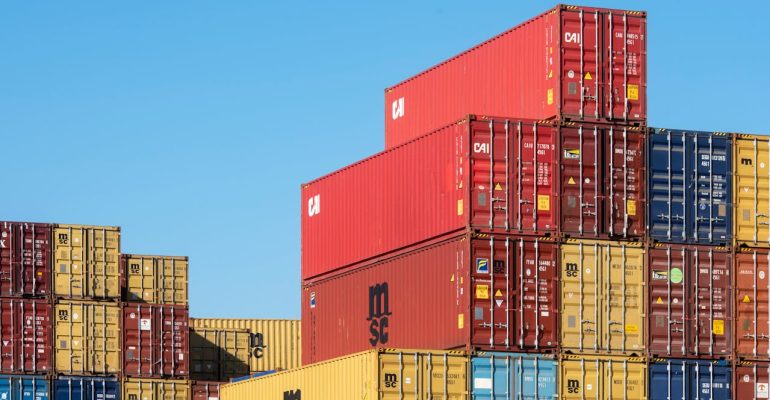
damaged goods due to poor export packaging choices

Common Mistakes Businesses Make When Choosing Export Packaging

Selecting the right export packaging is not just a logistical decision—it is a critical business strategy that directly impacts product safety, compliance, and overall customer satisfaction. Many companies underestimate how complex this process can be, often focusing only on cost or speed while overlooking long-term implications. As a result, avoidable mistakes can lead to damaged goods, delayed shipments, and even financial losses.

In global trade, packaging must perform under pressure. It must protect products across long distances, varying climates, and multiple handling points. Even small oversights can quickly escalate into major operational issues. That is why businesses need to approach export packaging with careful planning and informed decision-making.

Many organisations turn to providers like armineltimbers.co.za for guidance, but even with professional support, internal misunderstandings or rushed decisions can still create problems. Recognising the most common mistakes is the first step toward avoiding them and ensuring smoother international operations.

Overlooking International Compliance Requirements

One of the most frequent and costly mistakes businesses make is failing to comply with international packaging regulations. Export packaging is not governed by a single universal standard. Instead, each country may have its own requirements, particularly when it comes to materials like wood.

For example, untreated timber packaging can be rejected at borders due to phytosanitary regulations. This often results in shipments being delayed, returned, or destroyed. The financial impact can be significant. It also damages business credibility.

Companies sometimes assume that domestic packaging standards are sufficient for export. This assumption is risky. Export compliance requires knowledge of treatment processes, certification markings, and documentation. Without these, even well-packaged goods may never reach their destination.

A proactive compliance strategy is essential. It reduces risk and ensures smoother customs clearance.

Prioritising Cost Over Quality

Budget constraints are a reality for most businesses, but choosing export packaging based solely on price is a short-sighted approach. Lower-cost materials often lack the durability required for international transport, especially for heavy or fragile goods.

This mistake tends to surface in several ways:

  • Using lightweight materials that cannot withstand stacking or impact
  • Selecting untreated or poorly processed timber
  • Opting for generic packaging that does not fit the product securely
  • Ignoring environmental conditions like humidity or temperature changes

While the initial savings may seem attractive, the long-term costs of damaged goods, returns, and reputational harm far outweigh the benefits. Quality packaging is an investment, not an expense.

Businesses that understand this tend to experience fewer disruptions and better customer satisfaction.

Ignoring Product-Specific Packaging Needs

Not all products are created equal. Yet, many companies make the mistake of using standardised packaging for items that require specialised protection. This approach increases the likelihood of damage during transit.

Fragile goods, for instance, need cushioning and shock absorption. Heavy machinery may require reinforced structures. Perishable items demand ventilation or temperature control. Failing to tailor packaging to these needs compromises product integrity.

Customisation plays a key role here. It ensures that packaging aligns with the product’s weight, shape, and sensitivity. Without this alignment, even high-quality materials may fall short.

In export logistics, precision matters. Every detail counts.

Underestimating the Impact of Transit Conditions

International shipping exposes goods to a wide range of environmental and handling conditions. From rough handling at ports to extreme weather changes, the journey can be unpredictable.

A common mistake is assuming that packaging only needs to protect against minor impacts. In reality, it must endure:

Long transit times. Multiple loading and unloading cycles. Exposure to moisture, heat, and cold.

Businesses that fail to account for these factors often experience product degradation or structural failure in packaging. This is particularly problematic for exports to regions with vastly different climates.

Durability and resilience should always be prioritised. Packaging must be designed for worst-case scenarios, not ideal conditions.

Poor Communication with Packaging Suppliers

Effective collaboration with packaging suppliers is essential, yet it is often overlooked. Miscommunication can lead to incorrect specifications, delays, and unsuitable packaging solutions.

Some businesses provide incomplete information about their products or shipping requirements. Others fail to clarify compliance needs or delivery timelines. These gaps create confusion and increase the risk of errors.

Clear, detailed communication ensures that suppliers can deliver packaging that meets all necessary criteria. It also allows for better planning and problem-solving.

Working with experienced providers, including those familiar with platforms like armineltimbers.co.za, can improve outcomes—but only if communication is strong and consistent.

Neglecting Sustainability Considerations

Sustainability is no longer optional. It is a growing priority in global trade, with increasing pressure from regulators, customers, and partners.

Many businesses still overlook the environmental impact of their packaging choices. This can lead to missed opportunities for cost savings, improved brand perception, and compliance with evolving standards.

Sustainable packaging does not mean compromising on quality. On the contrary, it often enhances efficiency and reduces waste. Recyclable materials, reusable designs, and responsible sourcing all contribute to better outcomes.

Ignoring this aspect can place businesses at a competitive disadvantage. The market is shifting. Expectations are rising.

Failing to Plan for Storage and Handling

Export packaging must perform not only during transit but also during storage and handling. This is an area where many companies fall short.

Warehousing conditions, stacking requirements, and handling equipment all influence packaging performance. If these factors are not considered, packaging may fail before the product even leaves the origin country.

For example, poorly designed pallets can collapse under weight. Inadequate spacing can lead to crushing or deformation. These issues are preventable with proper planning.

A holistic approach is necessary. Packaging should be designed with the entire supply chain in mind.

Key Steps to Avoid These Mistakes

Avoiding common export packaging mistakes requires a structured and informed approach. Businesses that follow best practices are better positioned to protect their products and maintain operational efficiency.

  1. Conduct a thorough assessment of product requirements, including weight, fragility, and environmental sensitivity
  2. Ensure full compliance with international regulations, particularly for materials like timber
  3. Invest in high-quality materials that offer durability and reliability
  4. Collaborate closely with experienced packaging suppliers and provide clear specifications
  5. Factor in transit conditions, including climate and handling processes
  6. Incorporate sustainable practices into packaging design and material selection
  7. Plan for storage, stacking, and handling throughout the supply chain

These steps may seem straightforward, but they require careful execution. Attention to detail is critical.

Building a More Reliable Export Strategy

Export packaging is a foundational element of successful international trade. It protects products, ensures compliance, and supports brand reputation. Yet, it is often treated as an afterthought.

Businesses that take a proactive approach gain a competitive edge. They reduce risk, improve efficiency, and deliver a better customer experience. Small improvements can lead to significant results over time.

Mistakes are costly. But they are also preventable.

By understanding the common pitfalls and implementing smarter strategies, companies can strengthen their export operations and build more resilient supply chains.

Buy Box repricer

Winning the Buy Box: Strategies for E-Commerce Sellers

In the competitive world of e-commerce, the idea of the Buy Box plays an essential function in figuring out sales and consumer fulfillment. The Buy Box is the area on an item information page where consumers can include products to their cart or continue to checkout. It is essential for sellers on platforms like Takealot, as it substantially affects getting choices. This post explores what the Buy Box is, how it works, and why it is vital for e-commerce companies.

What is the Buy Box?

The Buy Box is the popular function on an e-commerce website that enables consumers to rapidly include an item to their shopping cart. While it might appear like an easy button, the Buy Box is an effective tool that figures out which seller’s deal is highlighted to possible purchasers. When several sellers use the exact same item, just one seller is included in the Buy Box, which can result in a significant benefit in regards to exposure and sales.

On platforms like Takealot, winning the Takealot Buy Box is vital for sellers wanting to increase their sales volume. The seller who wins the Buy Box usually delights in greater sales, as consumers are most likely to buy from the seller showed there. This is why comprehending how the Buy Box runs is essential for any seller in the e-commerce area.

How Does the Buy Box Work?

The Buy Box runs based upon a number of elements that identify which seller’s deal is most beneficial. These elements can differ by platform, however they typically consist of:

  1. Price: The market price of the item is among the most crucial elements. A competitive cost can substantially increase the opportunities of winning the Buy Box.
  2. Fulfillment Method: Sellers who utilize dependable satisfaction services frequently have an edge. For circumstances, those utilizing Amazon’s Fulfillment by Amazon (FBA) might get choice in the Buy Box.
  3. Seller Ratings: Positive seller scores and consumer feedback can improve a seller’s opportunities of protecting the Buy Box. High scores recommend dependability and consumer fulfillment.
  4. Shipping Speed: Faster shipping alternatives can likewise boost a seller’s exposure in the Buy Box, as consumers frequently choose quicker shipment.
  5. Availability: Ensuring that items are regularly in stock is vital. A seller with readily available stock is most likely to win the Buy Box.

These requirements result in a competitive environment where sellers need to enhance their listings to catch the Buy Box successfully.

The Role of Automated Buy Box Tools

To be successful in protecting the Buy Box, lots of sellers are turning to automated options. An automated Buy Box tool assists sellers examine their listings, display rivals, and change rates in genuine time to boost their opportunities of winning the Buy Box.

These tools track market patterns, prices modifications, and rival habits, making it possible for sellers to stay competitive. By using an automated Buy Box method, sellers can concentrate on other elements of their service while guaranteeing they preserve an one-upmanship in the market.

The Importance of the Buy Box for E-Commerce Success

Winning the Buy Box is not practically increased exposure; it straight associates with sales development. Here’s why the Buy Box is vital for e-commerce companies:

  1. Higher Sales Volume: As discussed previously, items noted in the Buy Box experience substantially greater sales than those that are not. This exposure can result in a considerable boost in income.
  2. Enhanced Customer Trust: When a seller protects the Buy Box, it frequently represents to consumers that they are selecting a trustworthy seller. This trust can result in duplicate purchases and favorable evaluations, even more improving a seller’s track record.
  3. Increased Brand Awareness: Winning the Buy Box can likewise assist in structure brand name awareness. As more consumers see and buy from a specific seller, their brand name ends up being more identifiable and relied on the marketplace.
  4. Competitive Advantage: The e-commerce landscape is significantly competitive. Securing the Buy Box offers an essential benefit over rivals, making it much easier for sellers to catch market share.
  5. Optimized Marketing Efforts: Focusing on winning the Buy Box enables sellers to simplify their marketing efforts. With greater exposure and sales, companies can reinvest in marketing methods that even more boost their online existence.

The Role of Buy Box Repricers

To browse the intricacies of winning the Buy Box, lots of sellers make use of a Buy Box repricer. A Buy Box repricer instantly changes item rates based upon rival prices and market patterns, guaranteeing that sellers stay competitive in real-time. By constantly keeping track of the prices landscape, a Buy Box repricer assists sellers make notified choices, optimizing their opportunities of protecting the Buy Box regularly.

Conclusion

In summary, the Buy Box is an essential element of e-commerce that substantially affects sales and consumer trust. Understanding the mechanics of the Takealot Buy Box and utilizing tools such as the automated Buy Box and Buy Box repricer can considerably boost a seller’s opportunities of success. As competitors in the e-commerce area continues to grow, concentrating on winning the Buy Box is vital for any seller wanting to grow in this vibrant environment. By enhancing their listings and leveraging automatic tools, sellers can protect their position in the Buy Box, causing increased exposure and sales in the long run.

boss babes

Transform Your Office: The Benefits of Gifting Plants to Coworkers

Office environments can typically feel boring and uninspiring. The intro of workplace plants, nevertheless, has actually shown to be a game-changer, changing work spaces into dynamic, inviting locations. Gifting workplace plants to your colleagues not just improves the visual appeal of the workplace however likewise brings various other advantages. Here’s why workplace plants are the best presents for your associates.

Boosting Productivity and Creativity

One of the most engaging factors to present workplace plants is their favorable influence on efficiency and imagination. Numerous research studies have actually revealed that having plants in the workplace can substantially increase staff members’ focus and performance. The existence of plant helps in reducing tension and stress and anxiety, developing a more unwinded environment. This, in turn, allows employees to focus much better and believe more artistically. Next time you check out a plant nursery in Port Elizabeth, think about getting some lavish green plants to cheer up your colleague’s desk and stimulate their development.

Enhancing Air Quality

Office air can in some cases feel stagnant and stuffy, especially in structures with bad ventilation. Plants are natural air cleansers; they take in toxic substances and release fresh oxygen, thus enhancing the air quality. This can result in less health concerns amongst staff members, such as headaches, tiredness, and breathing issues. Gifting a colleague a workplace plant from a regional plant nursery in Port Elizabeth not just reveals consideration however likewise adds to a much healthier work environment.

Fostering a Sense of Responsibility

Taking care of a plant can promote a sense of duty and regimen in people. It may look like a little job, however routinely watering and tending to a plant can supply a satisfying break from work jobs and work as a tip to take brief, needed breaks. For the boss babes in the workplace, handling a plant can be a revitalizing, supporting job that stabilizes the high-energy needs of their functions.

Creating a Positive Work Environment

The visual advantages of workplace plants need to not be undervalued. A well-placed plant can change a dull work space into a vibrant and inviting location. Plants can include a touch of nature and color to an otherwise neutral workplace, making it more enjoyable for everybody. This can enhance general task fulfillment and promote a favorable workplace. A basic gesture of gifting a lovely plant from a plant nursery in Port Elizabeth can substantially boost the state of mind and environment of the workplace.

Encouraging Interpersonal Connections

Gifting plants can likewise motivate much better social relationships in the workplace. It acts as an outstanding discussion starter and can assist start a conversation in between colleagues. Sharing pointers on plant care or going over the development of their plants can result in more significant interactions and construct a sense of neighborhood within the work environment. For those leading the charge, promoting a sense of neighborhood and friendship can be important in preserving a cohesive and determined group.

Easy to Maintain and Long-Lasting

Another reason workplace plants make excellent presents is their low upkeep and durability. Many office-friendly plants need very little care, making them best for hectic specialists who may not have a green thumb. Plants like succulents, pothos, and snake plants are sturdy and can grow in low light and with irregular watering. When you check out a plant nursery in Port Elizabeth, you’ll discover a range of such easy-to-care-for plants that can fit perfectly into any workplace setting.

Gifting workplace plants to your colleagues is a thoughtful gesture that brings various advantages. From enhancing efficiency and imagination to boosting air quality and promoting a favorable workplace, the benefits are manifold. Whether you’re aiming to support in charge babes in your workplace or just wish to make an associate’s day, a plant from a regional plant nursery in Port Elizabeth is an outstanding option. Not just do plants include visual worth, however they likewise add to a much healthier, more satisfying work environment, making them the best present for any colleague.

Starting a Successful Green Business

In today’s world, environmental consciousness is not just a buzzword; it’s a way of life. As our planet faces increasing challenges due to climate change and pollution, there’s a growing need for businesses to step up and embrace sustainability.

If you’re considering starting a green business, you’re not only making a sound entrepreneurial choice but also contributing to a healthier, more sustainable future. In this article, we’ll guide you through the process of launching and running a successful green business.

The Green Business Concept

Defining Your Niche

Before delving into the specifics, it’s crucial to identify your niche within the green industry. Whether it’s renewable energy, eco-friendly products, sustainable agriculture, or green technology, pinpoint the area where your passion and expertise align. This initial step is vital for crafting a unique selling proposition (USP) and ensuring your business stands out in the market.

See: https://www.businessnewsdaily.com/5102-green-business-ideas.html

Market Research

Extensive market research on blogs such as E-Dirt is the cornerstone of any successful venture. Analyze your target audience’s needs and preferences, as well as your competitors’ strengths and weaknesses. This data will help you refine your business strategy and create a business plan that’s tailored to your niche.

Crafting a Green Business Plan

Sustainability Goals

Your green business plan should have clear and measurable sustainability goals. These goals will not only serve as a roadmap for your business but also as a way to communicate your commitment to environmental responsibility to your customers and stakeholders.

Funding and Investment

Securing adequate funding is crucial for getting your green business off the ground. Consider various funding options, such as grants, investors, or loans, and choose the one that aligns best with your business model. Remember, investing in sustainable practices may require an initial capital outlay, but it often results in long-term savings and a positive environmental impact.

Legal Aspects and Certification

Business Structure

Choose a legal structure for your green business, such as a sole proprietorship, partnership, limited liability company (LLC), or corporation. The structure you select will affect your personal liability, tax obligations, and regulatory requirements.

Certification

Consider obtaining relevant certifications or accreditations for your business. These certifications, such as organic or Fair Trade certifications, can instill trust in your customers and showcase your commitment to ethical and sustainable practices.

Building a Sustainable Supply Chain

Sourcing Ethical Materials

Select suppliers that provide environmentally friendly and ethically sourced materials. Maintaining transparency in your supply chain will not only bolster your reputation but also support responsible practices throughout your industry.

Waste Reduction

Minimize waste at every stage of production and distribution. Implement recycling programs, reduce packaging waste, and explore eco-friendly shipping options. Your customers will appreciate your efforts to reduce your carbon footprint.

Marketing Your Green Business

Online Presence

In the digital age, a strong online presence is essential. Create a user-friendly, SEO-optimized website that conveys your brand’s commitment to sustainability. Utilize social media platforms to engage with your audience and share your green initiatives.

Content Marketing

Regularly produce high-quality, informative content that showcases your industry knowledge and eco-friendly products. Utilize blogs, videos, and infographics to educate your customers and establish yourself as an industry authority.

Engaging with the Community

Corporate Social Responsibility

Engage with your local community through corporate social responsibility initiatives. Participate in environmental events, sponsor local sustainability projects, and support causes that align with your values.

Measuring and Improving

Analyze Impact

Regularly assess the environmental impact of your green business. Track key performance indicators (KPIs) related to sustainability, such as energy consumption, waste reduction, and emissions.

Continuous Improvement

Use the data from your impact assessments to make informed decisions for continuous improvement. As your green business grows, your commitment to sustainability should also evolve.

Conclusion

Starting a successful green business requires dedication, strategic planning, and a deep commitment to sustainability. By following these guidelines and staying true to your eco-friendly values, you can not only build a thriving business but also contribute to a greener and more sustainable future for our planet.